
Rural–Urban Disparities Shape Multidomain Intervention Outcomes: Insights from a Nationwide Trial in Taiwan
This study utilized data from the Taiwan Health Integration for the Super-Elderly (THISCE), a nationwide cluster-randomized controlled trial, to examine how rural–urban disparities influence the effectiveness of a 12-month multidomain intervention targeting cognitive and physical decline among community-dwelling older adults. A total of 1,082 adults aged 65 years and older were recruited from 40 community clusters across urban and rural areas. Participants in the intervention group received a standardized program comprising physical exercise, cognitive training, and nutritional guidance over 12 months.
The findings demonstrated clear rural–urban differences in intervention outcomes across cognitive and physical domains. At 12 months, urban participants demonstrated significantly greater improvements in visuospatial/executive function and walking speed, alongside more pronounced reductions in frailty. In contrast, rural participants showed greater gains in handgrip strength and language function, while frailty reduction remained minimal in this population.
These rural–urban differences in intervention outcomes may be attributed to disparities in baseline characteristics and contextual factors, including lower average years of education among rural participants (4.9 years in rural areas versus 8.4 years in urban areas), weaker baseline physical and cognitive performance, and reduced access to healthcare and preventive health resources in rural settings.
Critically, this study reveals that even with identical inclusion criteria and standardized protocols, multidomain intervention effectiveness varies substantially across rural–urban contexts. These findings underscore the critical need for geographically and socioeconomically tailored intervention strategies to optimize health outcomes across diverse populations. Context-sensitive approaches—including enhanced health literacy programs, culturally tailored activities (e.g., storytelling, traditional games), and expanded telemedicine and digital health infrastructure—are essential to narrowing rural–urban disparities and advancing equitable healthy aging nationwide. This work has been published in The Journal of Prevention of Alzheimer’s Disease (Ho MY, et al., J Prev Alzheimers Dis. 2025 Sept;12(8):100231).
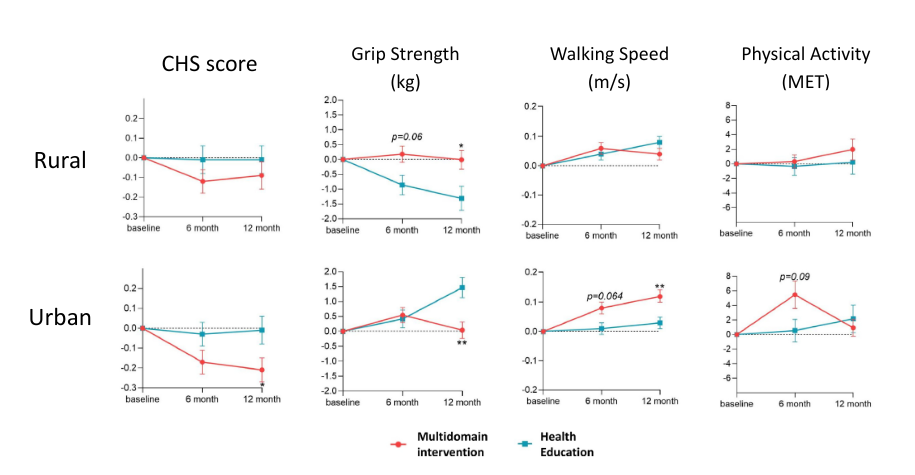
Figure 1. Mean changes in physical function outcomes from baseline
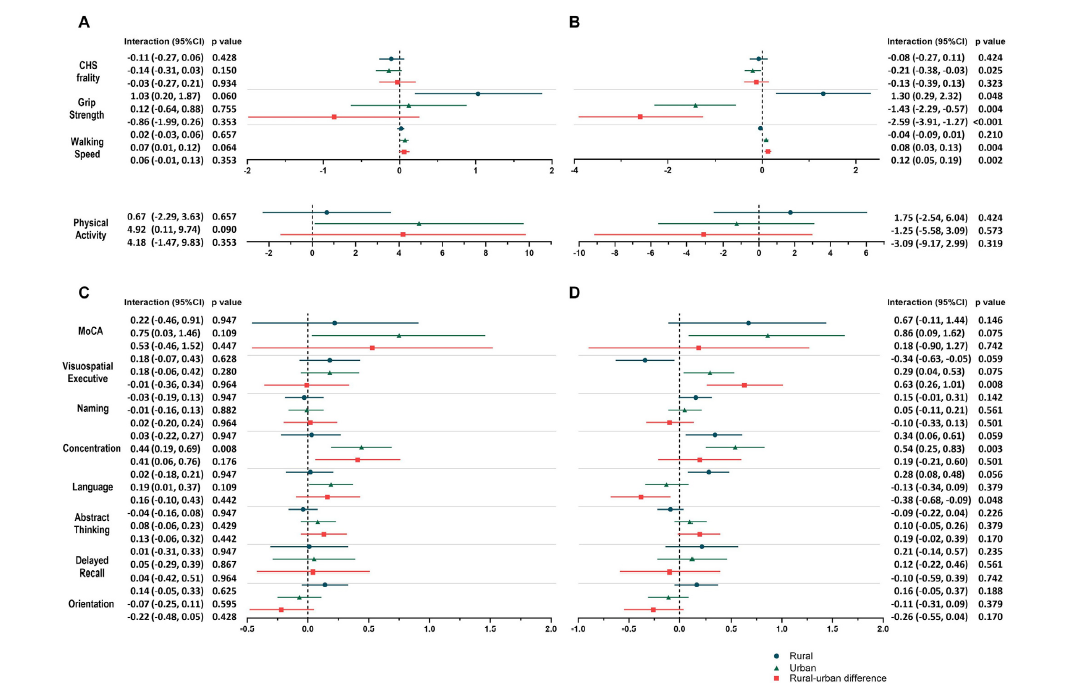
Figure 2. Rural–urban differences in intervention effects on physical and cognitive outcomes at 6 and 12 months
